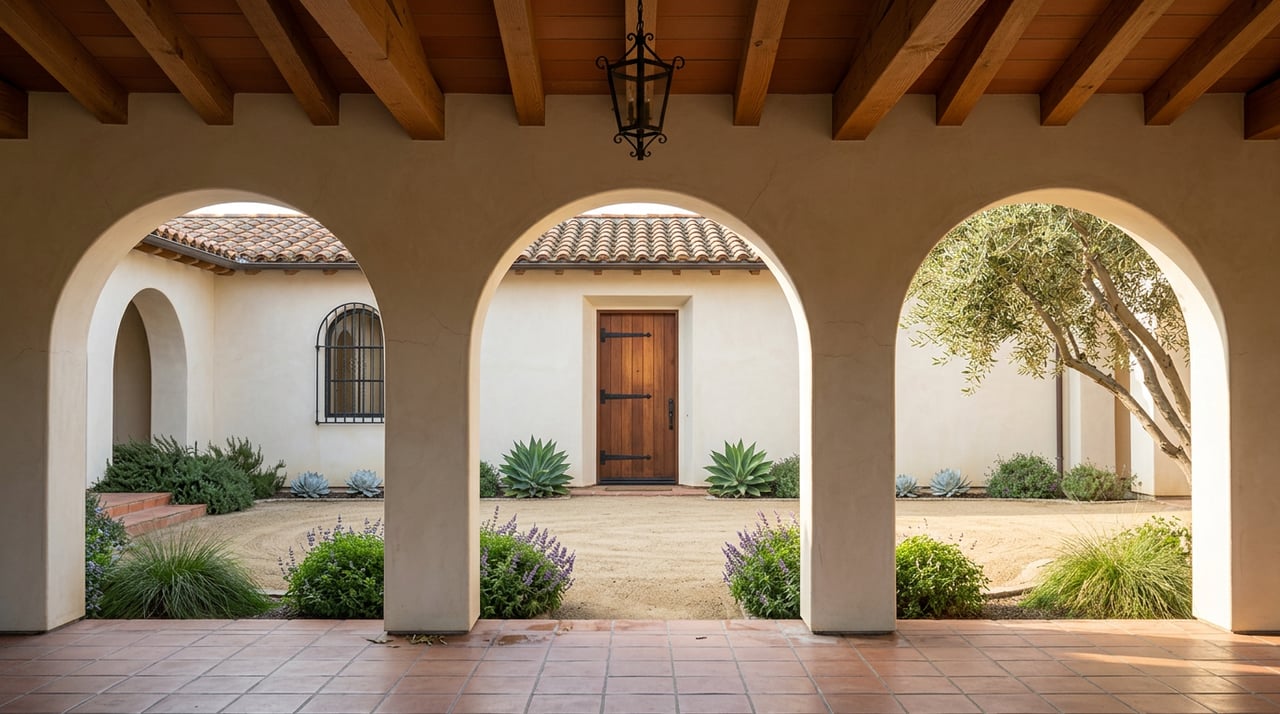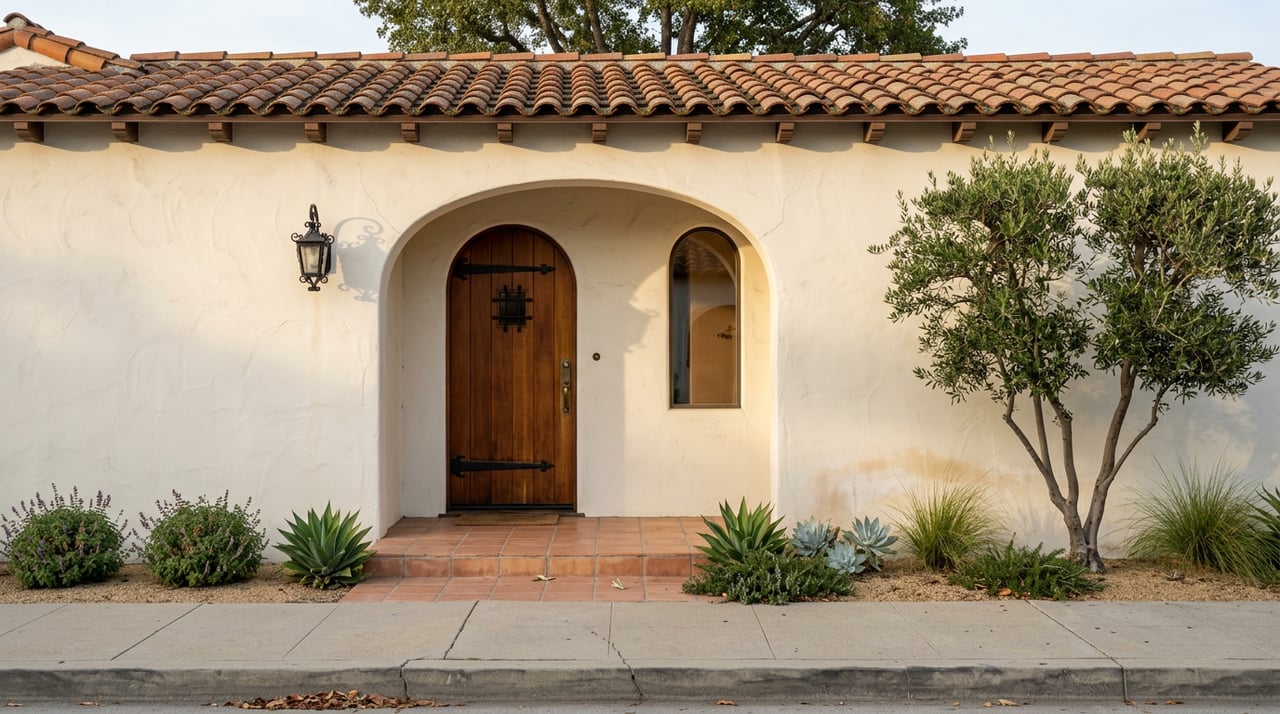

Worried your North Park appraisal could make or break your sale or purchase? You are not alone. In a neighborhood known for historic bungalows, modern rehabs, and lively streets, small details can move value. This guide explains how appraisals work in North Park, what affects value most, how to prepare, and what to do if the number comes in low. Let’s dive in.
How home appraisals work
An appraisal is a licensed appraiser’s independent opinion of market value used by lenders to manage risk. It also helps you understand what the market will likely support. The process follows industry standards from the Appraisal Institute and consumer protections outlined by the CFPB.
Most North Park appraisals rely on the Sales Comparison Approach. The appraiser finds recent, comparable closed sales and adjusts for differences such as size, condition, lot, parking, and sale date, following the Fannie Mae Selling Guide. For condos, the appraiser evaluates both the unit and the health of the project. Lenders often apply project rules from Freddie Mac and Fannie Mae.
Timing matters. In active San Diego micro-markets, appraisers tend to emphasize sales from the last 3 to 6 months and may weigh very recent pending activity if the market is moving. They also inspect your home’s condition, layout, and site features, and for condos review HOA documents.
What affects value in North Park
Comparable sales set the anchor
Comparable sales drive value. The closer a comp is in location, style, size, condition, parking, and sale date, the stronger its influence. Because North Park has everything from Craftsman-era bungalows to small-lot infill and condos, finding close matches can be challenging. Unique remodels may require broader searches and careful adjustments.
Condition and quality of updates
Interior condition, systems, and finishes are major adjustments. Newer roofs, upgraded electrical, HVAC, and refreshed kitchens and baths usually improve value. Documented, permitted improvements carry more weight. Unpermitted work may be excluded from living area and can lead to downward adjustments. You can verify permits through the City of San Diego.
Floor plan and usable square footage
Usable layout matters in North Park’s smaller homes. Appraisers look at gross living area and functional utility, such as bedroom and bathroom count and flow. Finished attics or legal ADUs can add value when they are permitted and consistent with local standards.
Lot, orientation, and outdoor space
Lot size, privacy, and outdoor living areas influence value. In denser areas like North Park, a private yard, deck, or rooftop space may be more valuable than in suburban settings where large lots are common.
Parking and access
Parking and access matter. A garage, carport, or dedicated off-street space can create a material adjustment. Many North Park bungalows lack garages or have converted ones, so comps with similar parking are critical to fair adjustments.
Amenities and location
Walkability and proximity to restaurants, breweries, and Balboa Park often support a neighborhood premium, which appraisers recognize through nearby comps. To get a feel for local context, explore community resources like North Park Main Street, then match those amenities with sales in close proximity.
Market conditions and timing
If the market is rising or softening, appraisers apply time adjustments or weight more recent data. The Fannie Mae Selling Guide outlines the need to reflect current market trends when selecting and adjusting comps.
Condo-specific factors
For condos, appraisers review the unit and the project as a whole. Factors include reserves, special assessments, owner-occupancy ratios, amenities, and parking assignments. Lender financing may depend on project eligibility under Freddie Mac and Fannie Mae guidelines. HOA dues and policies can also affect buyer demand and value.
Permitting and legal status
Permits support value. When your improvements have clear permits and documentation, the appraiser can more confidently include them in value. Unpermitted conversions, such as enclosed porches or garage studios, may be excluded or adjusted downward.
Common appraisal challenges in North Park
- Scarce true comps for unique remodels or small-lot infill can make adjustments harder to support.
- Unpermitted ADUs or garage conversions may not count in living area and can reduce value.
- Parking gaps compared with nearby sales often lead to downward adjustments.
- Big finish upgrades without similar nearby sales can be hard to quantify.
- Condo project issues, such as low reserves or recent special assessments, can limit value or financing options.
- Rapid market shifts between contract and appraisal dates can create gaps that need time adjustments.
How to prepare for a favorable appraisal
Quick prep checklist
- Clean, declutter, and ensure easy access to all areas, including parking and storage.
- Fix obvious maintenance items like leaks, non-working lights, or damaged flooring.
- Turn on all utilities and confirm HVAC is operable.
Provide a documentation packet
- A list of upgrades with dates, contractor names, and permit numbers where applicable.
- Receipts for major work such as kitchens, baths, roof, HVAC, or ADUs.
- A comps packet with recent closed sales that closely match style, size, condition, and parking.
- For condos: CC&Rs, budgets, reserve studies, meeting minutes, and any assessment details.
- Floor plan or measured square footage if available, plus county assessor data.
- Permit history printouts and any engineer or contractor reports.
Share evidence the right way
Provide clear, factual information. Include before-and-after photos when relevant and highlight features that are not obvious during a short visit, like foundation upgrades or soundproofing. If you note location benefits such as proximity to popular corridors, pair them with nearby closed sales that show similar premiums.
How your agent helps
A strong agent prepares a concise, data-driven packet and communicates professionally with the appraiser. If value comes in low, your agent can guide you through a factual reconsideration request consistent with the Fannie Mae Selling Guide and consumer guidelines from the CFPB. The goal is to correct errors and present better comps, not to pressure the appraiser.
If the appraisal comes in low
Buyer and seller options
- Buyer adds cash to cover the gap between appraised value and price.
- Renegotiate the purchase price or split the difference with seller credits.
- Request a reconsideration of value or, if lender permits, a second appraisal.
- Cancel the contract if allowed by the appraisal contingency in your executed terms. See the California Association of Realtors for form-related guidance.
Lender-side tools
- Reconsideration of Value: Provide new, credible comps or correct data errors for the original appraiser to review, consistent with the Fannie Mae Selling Guide.
- Second appraisal: Some lenders may order another report in limited cases.
- Alternate methods: Desktop or hybrid appraisals may be allowed depending on loan type and investor rules.
Practical negotiation tips
- Focus on the best comps that match style, lot, parking, and condition.
- If the gap is modest, consider seller credits to reduce closing costs for the buyer.
- Keep communication factual and solution-oriented. Do not rely on distant or dissimilar comps.
Quick reference: documents to gather
- Permit history and copies of permits for major improvements.
- Receipts for recent renovations and system upgrades.
- A list of comparable closed sales with addresses and sale dates.
- Floor plan or measured living area, if available.
- Recent interior and exterior photos.
- For condos: CC&Rs, bylaws, budgets, reserve studies, meeting minutes, and parking assignments.
- Any inspection or pest reports, plus evidence of neighborhood improvements that affect marketability.
- For licensing or standards questions, consult the California Bureau of Real Estate Appraisers.
Thinking about selling or buying in North Park and want a clear plan for appraisal success? Request a private, data-driven strategy with Jennifer Allen. You will get legally informed guidance, a polished presentation, and a calm hand at each step.
FAQs
What is a home appraisal and why it matters in North Park?
- An appraisal is an independent opinion of market value that lenders use to underwrite loans; in North Park’s diverse market, it helps anchor price around the best comparable sales and current conditions.
How do appraisers handle unpermitted work in San Diego?
- Appraisers often exclude unpermitted living area from square footage and may adjust value downward; verifying permits with the City of San Diego helps support value.
Do North Park condos get evaluated differently than houses?
- Yes, condo appraisals assess both the unit and the project’s health, including reserves, assessments, and owner-occupancy, using investor standards from Freddie Mac and Fannie Mae.
What can I do if my appraisal seems low?
- You can request a reconsideration of value with better comps and corrected facts under the Fannie Mae Selling Guide and seek guidance from the CFPB on consumer steps.
Which features most increase value in North Park?
- Strong comps, documented permits, updated systems and finishes, functional layouts, off-street parking, and proximity to amenities often carry the most weight with appraisers.