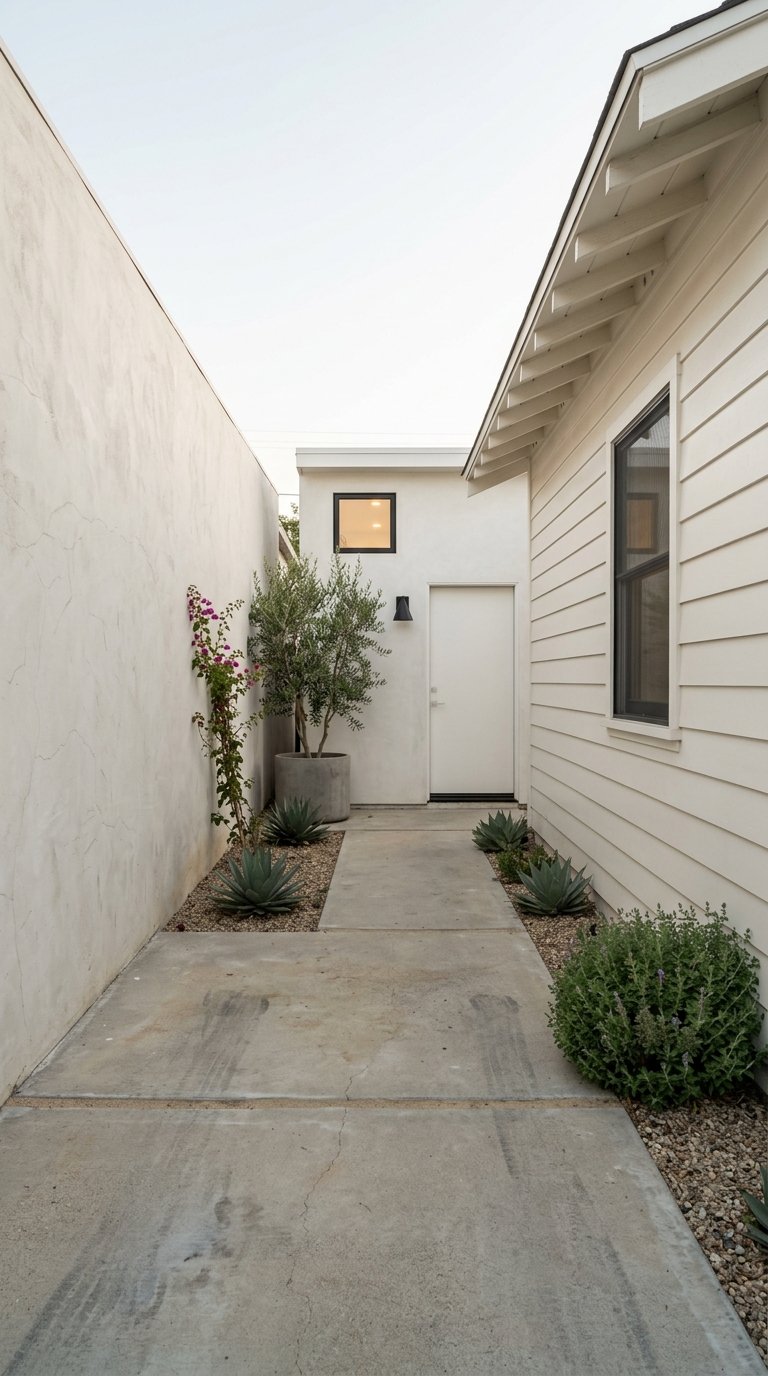
If you are drawn to North Park, chances are you are not looking for cookie-cutter housing. You may want a classic bungalow with real architectural character, a duplex that gives you flexibility, or a small multifamily property with room to improve over time. The good news is that North Park’s housing stock was practically built for that kind of search. In this guide, you’ll get a clear look at the property types that define North Park, where value-add potential often shows up, and which city rules matter before you make a move. Let’s dive in.
Why North Park Stands Out
North Park covers about 2,258 acres in central San Diego and is considered one of the city’s older urbanized communities. The area’s original subdivisions were recorded just after the turn of the 20th century, which helps explain why so much of the neighborhood still reflects early San Diego development patterns.
That older fabric gives North Park a different feel from newer parts of the city. The built environment combines active commercial corridors with surrounding single-family and multifamily residential blocks, creating a housing mix that is both varied and practical for buyers, owner-occupants, and small investors.
North Park Bungalows
North Park is especially well known for its Craftsman and California Bungalow homes. According to the City’s historic resources survey, these homes remain ubiquitous in the neighborhood and make up a large share of its modest, small-scale residential character.
These bungalows are typically low-rise, porch-oriented homes with wide eaves and wood cladding. They reflect the early-20th-century Craftsman tradition, and many were built from pattern books and catalogues that made the style widely available and relatively affordable at the time.
For you as a buyer, that often translates into homes with architectural charm and a human scale that still feels appealing today. Many buyers are drawn to the front porches, practical layouts, and the possibility of updating finishes or systems while keeping the original footprint and overall character intact.
What Buyers Often Like About Bungalows
- Original architectural details
- Smaller-scale homes with strong curb appeal
- Opportunities for thoughtful cosmetic updates
- A housing type that is closely tied to North Park’s identity
Duplexes And Small Multifamily Options
North Park is not just a bungalow neighborhood. Its housing stock also includes duplexes, bungalow and cottage courts, garden court apartments, and small apartment buildings.
The City’s summary of the Park Boulevard Residential Historic District describes this mix as a microcosm of the neighborhood’s evolution from lower-density housing to higher-density residential forms along a streetcar corridor. That matters because it shows that duplexes and small multifamily properties are not outliers here. They are part of North Park’s long-standing development pattern.
If you are thinking like an owner-occupant or investor, duplexes can offer useful flexibility. You may be looking for a property where you live in one unit and rent the other, or a building where improvements can be phased in over time instead of tackled all at once.
Why Duplexes Appeal In North Park
- Potential for owner-occupancy with rental income
- More than one path for renovation planning
- A property type that fits the neighborhood’s historic evolution
- Often easier to view as a long-term hold than a large redevelopment play
Bungalow Courts And Courtyard Properties
One of North Park’s most distinctive multifamily forms is the bungalow court. The City’s historic survey notes that this was the most common early-20th-century multifamily type in the community.
These properties were typically arranged around a central landscaped courtyard and walkway. That layout balanced privacy with shared open space, which still makes courtyard-style properties appealing to many buyers today.
In North Park, most bungalow courts were built between University and Adams avenues near former streetcar lines north of Balboa Park. The survey also notes that their low land and construction costs once made them attractive to small-scale developers, which helps explain why this format became such a visible part of the neighborhood.
For today’s buyer, these properties can stand out because they offer both historic identity and a more intimate scale than larger apartment buildings. They can also present renovation opportunities, but those opportunities need to be evaluated carefully in light of permitting and historic review.
Where Value-Add Potential Usually Shows Up
In North Park, value-add potential often comes from improving what is already there, not from assuming a property should be completely transformed. The North Park Community Plan supports preserving and rehabilitating older homes, maintaining a diverse housing mix, and encouraging housing options like companion units, live-work studios, small-lot housing, and for-sale townhomes where appropriate.
The same plan also supports adaptive reuse where it is compatible and encourages renovation of culturally and historically significant residential units. It further discourages parcel consolidation over 14,000 square feet in lower-density and historic district areas, which reinforces the idea that smaller-scale, lot-sensitive improvements are often more aligned with the neighborhood than wholesale redevelopment.
Practical Value-Add Angles To Consider
- Cosmetic refreshes to kitchens, baths, flooring, and paint
- Interior remodels that improve function without major reconfiguration
- System upgrades that address electrical, mechanical, or plumbing needs
- Careful planning for companion units or accessory structures where allowed
- Preservation-minded improvements that maintain architectural character
Permits Matter More Than Buyers Think
If you are evaluating North Park bungalows, duplexes, or small multifamily property, it is important to separate cosmetic projects from work that changes structure, layout, or building systems. The City of San Diego requires permits for new construction, additions, remodeling, and repairs to electrical, mechanical, and plumbing systems.
The City also states that changes made during construction must be reviewed and approved before they are added to the plans. In practical terms, that means your renovation timeline and budget can shift if a project moves beyond surface-level improvements.
For some lower-complexity projects, the City’s Rapid Review process may apply. That process can apply to qualifying minor interior remodels of single-dwelling units and duplexes, as well as some garage conversions, which may be useful if your plans are modest and the scope fits program requirements.
ADUs, Studios, And Guest Space
In North Park, terms like studio, guest suite, and bonus space can sound simple, but the legal classification matters. A seller’s description and the City’s classification are not always the same thing.
City guidance says a building permit is required to create an ADU or JADU. In single-dwelling zones, a lot may generally have one primary dwelling, one JADU, and one ADU. In multifamily zones, detached ADUs and conversion ADUs may be allowed under different limits.
The City also distinguishes guest quarters and habitable accessory buildings from ADUs. Guest quarters do not provide complete independent living facilities and are intended for the occupants of the primary dwelling or their guests or employees. So if you are evaluating a detached structure or converted space, the key question is not just what it looks like. It is how it is legally permitted and classified.
One more point is especially important for investors. San Diego prohibits using ADUs as short-term rentals, so any value-add strategy that depends on nightly rental income from an ADU needs to be reconsidered.
Historic Review Can Shape Your Plans
Because North Park contains many older structures, historic review is a major part of due diligence. The City says its historic preservation staff reviews permit applications for development on parcels with structures that are 45 years old or older, unless exempt.
If a property is in a designated historic district, additional review may be required. The City notes that this review runs concurrently with other approvals rather than as a separate step, but it can still affect the scope, design, and timing of your project.
North Park has multiple designated historic districts and several districts in process, including Park Boulevard Residential and others such as Spalding Place, Valle Vista Terrace, Altadena, Kalmia Place, 28th Street, St. Louis Heights, 30th Street Commercial, and Wabash Mesa. If you are purchasing with renovation in mind, checking district status early can save time and reduce surprises.
Long-Term Hold Potential
For some buyers, North Park’s appeal is not just immediate usability. It is the long-term case for owning a property with enduring neighborhood character and a housing type that remains relevant within local planning goals.
That long-term outlook may be especially meaningful for designated historic properties. The City’s Mills Act program offers property tax relief for eligible locally designated historic properties in exchange for preservation and maintenance, with applications accepted between January 1 and March 31 each year. To qualify, the property must already have local historic designation by December 31 of the previous year.
Not every property will qualify, and not every buyer will want the obligations that come with preservation commitments. Still, for the right bungalow or compatible small multifamily property, this can be part of a thoughtful hold strategy.
What To Watch Before You Buy
A North Park property can be full of upside, but the best opportunities usually come from clear-eyed evaluation. Before you move forward, it helps to focus on a few practical questions.
Smart Due Diligence Questions
- Is the property’s current use consistent with its permits and legal classification?
- Is the structure 45 years old or older, triggering possible historic review?
- Is the property inside a designated historic district?
- Are your planned updates cosmetic, system-related, or structural?
- Would your timeline benefit from a qualifying Rapid Review path?
- If there is an ADU, JADU, or guest space, how is it legally approved?
- Does your plan fit North Park’s pattern of smaller-scale, context-sensitive improvement?
North Park rewards buyers who appreciate detail. Whether you are drawn to a classic bungalow, a flexible duplex, or a courtyard property with long-term potential, the right strategy usually starts with understanding the building, the lot, and the city rules that shape what comes next.
If you want a more tailored read on a North Park property or you are weighing character, flexibility, and renovation potential, Jennifer Allen can help you evaluate the opportunity with clear, legally informed guidance.
FAQs
What makes North Park bungalows different from homes in newer San Diego neighborhoods?
- North Park bungalows are part of the neighborhood’s early-20th-century housing stock and are commonly defined by porch-oriented design, wide eaves, wood cladding, and smaller-scale layouts tied to the Craftsman and California Bungalow tradition.
Are duplexes common in North Park, San Diego?
- Yes. North Park includes duplexes as part of a broader mix of single-family and multifamily housing, along with bungalow courts, cottage courts, garden court apartments, and small apartment buildings.
What does value-add potential usually mean for North Park properties?
- In North Park, value-add often means smaller-scale improvements such as cosmetic updates, interior remodels, system upgrades, or carefully planned accessory improvements rather than large-scale redevelopment.
Do North Park remodels usually require permits?
- Many do. The City of San Diego requires permits for new construction, additions, remodeling, and repairs to electrical, mechanical, and plumbing systems.
Can you add an ADU to a North Park property?
- Possibly, but a building permit is required, and the rules depend on the zoning and property type. The legal distinction between an ADU, JADU, guest quarters, and other accessory structures is important.
Can an ADU in North Park be used as a short-term rental?
- No. The City of San Diego prohibits using ADUs as short-term rentals.
Do older North Park homes face historic review?
- They can. The City says historic preservation staff reviews permit applications for development on parcels with structures that are 45 years old or older unless exempt, and properties in designated historic districts may require additional review.
What is the Mills Act for North Park historic properties?
- The Mills Act is a City program that offers property tax relief for eligible designated historic properties in exchange for preservation and maintenance, subject to application timing and eligibility rules.