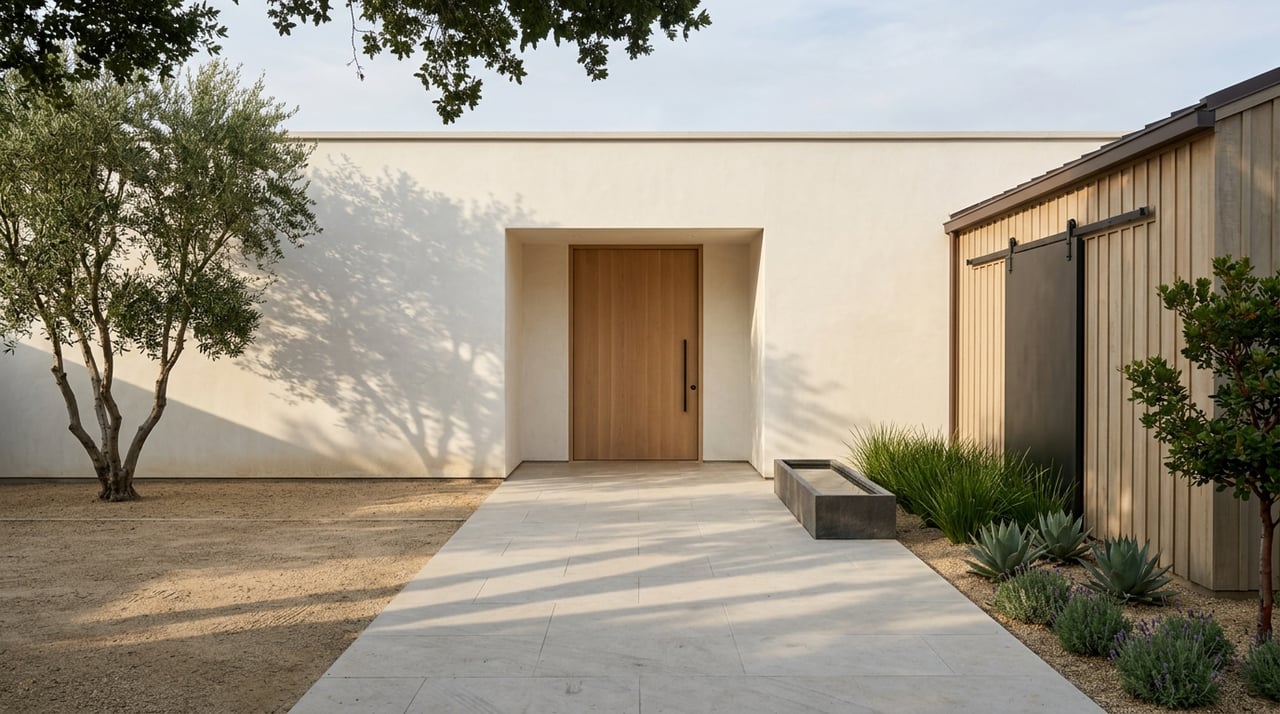
If you are selling an estate home in Rancho Santa Fe, you are not just putting a house on the market. You are preparing a property that buyers will judge for land, privacy, architectural character, and community fit all at once. That can feel like a lot to manage, especially when timing, paperwork, and discretion matter. The good news is that with the right preparation, you can create a smoother sale and a stronger first impression. Let’s dive in.
Why Rancho Santa Fe estate sales stand apart
Rancho Santa Fe is not a typical residential market. San Diego County describes the area within the San Dieguito Community Plan as a low-density estate residential area, and the Rancho Santa Fe Association administers land-use regulations on about 1,930 private and commercial properties under the long-standing Protective Covenant.
That matters when you sell because buyers often look beyond the main residence. They are also paying attention to lot size, privacy, open space, trail access, and how the property aligns with the community’s established character. In Rancho Santa Fe, the setting can be just as important as the square footage.
The community also includes nearly 60 miles of private equestrian and pedestrian trails along with resident-only recreational amenities. For many buyers, those features help shape the overall value of the property and the lifestyle it offers.
Why documentation matters early
In Rancho Santa Fe, exterior changes and property improvements can carry extra weight. The Rancho Santa Fe Association’s Art Jury reviews development and building applications to help preserve community character and future architecture quality.
For you as a seller, that makes documentation especially important before your home goes live. If you have completed additions, exterior updates, grading work, pool improvements, guest house changes, or other major work, it helps to gather the related approvals and permit records as early as possible.
Starting early can also reduce delays once you receive an offer. When buyers see an organized file with clear records, it supports confidence and can keep the transaction moving.
Key California disclosures to prepare
California requires several disclosures that should never be treated as an afterthought. The state’s Transfer Disclosure Statement, or TDS, applies to transfers of single-family residential property, and any waiver of that requirement is void as a matter of public policy.
The California Department of Real Estate also makes clear that the TDS is not a warranty and does not replace inspections. In other words, your disclosures are important, but they work best alongside a thoughtful pre-listing review of the property.
California law also requires Natural Hazard Disclosure when a property is in certain mapped hazard areas, including flood, very high fire hazard severity, earthquake fault, seismic hazard, or state responsibility area zones. Waivers of these required hazard disclosures are also void.
Timing matters here too. If a required hazard disclosure is delivered after the buyer signs, the buyer may have three days to cancel if the disclosure is delivered in person or five days if it is mailed. That is one reason many estate sellers benefit from front-loading disclosures before the home hits the market.
Property issues buyers often examine closely
Larger estate properties often come with more features, and that usually means more details to verify. The California Department of Real Estate’s TDS asks about items such as room additions or structural modifications made without permits, repairs not completed in compliance with building codes, encroachments or easements, shared driveways or fences, flooding, drainage or grading issues, major damage, zoning violations, and setback problems.
These questions are especially relevant in properties with guest houses, barns, long private driveways, detached structures, pools, or extensive outdoor improvements. A buyer reviewing an estate home will often look closely at how all of those pieces fit together.
If questions come up late in the process, they can affect timing and negotiations. If you identify them early, you are in a better position to address concerns with clarity.
Wells, septic, and rural property records
Some Rancho Santa Fe properties have semi-rural features that require extra review. San Diego County states that water wells are commonly used as the only potable water supply in rural areas, and the county requires permits for well installation or modification.
The county also regulates onsite wastewater treatment systems, conducts installation inspections, and maintains design records for those properties. If your estate property has a well or onsite wastewater system, gathering those records before listing can be a smart step.
San Diego County Planning & Development Services also provides access to permit history, property summary reports, and archived documents for properties in the unincorporated area. That can make it easier to track records for additions, grading, septic work, and other improvements before marketing begins.
Older homes may need added disclosure steps
If your estate home was built before 1978, federal law requires disclosure of known lead-based paint information before the sale. Sellers must also provide any available records and the required lead warning pamphlet.
This can be relevant in Rancho Santa Fe because the community includes older and historic properties. If your home falls into that category, it is worth confirming what records you have well before you launch the listing.
Trust and estate ownership needs early coordination
Many estate homes are held in trust, and that can change how the sale is prepared. Under California Probate Code section 18100.5, a trustee may present a certification of trust instead of the full trust instrument, and that certification can identify trustees, powers, signature authority, and the legal description of the real property.
This is especially important when more than one trustee is involved or when successor trustees or estate distributions must be reviewed. If your home is trust-owned, early coordination with your attorney, CPA, and financial advisor can help prevent last-minute surprises.
This is one area where legally informed representation adds real value. A careful review of authority, signatures, and documentation can protect your timeline and reduce unnecessary friction once you are ready to sell.
Privacy and discretion matter in Rancho Santa Fe
Rancho Santa Fe is known for privacy, open space, and a strong sense of continuity in the community. In a market like this, not every luxury sale should follow the same broad, high-exposure approach.
A controlled showing schedule, thoughtful photo selection, and buyer vetting are often prudent choices for estate sellers. The goal is not just to attract attention. It is to attract the right attention from qualified buyers who understand the value of the property.
That balance matters. You want your home presented beautifully and professionally while still respecting your privacy and the nature of the estate market.
Marketing should match the property
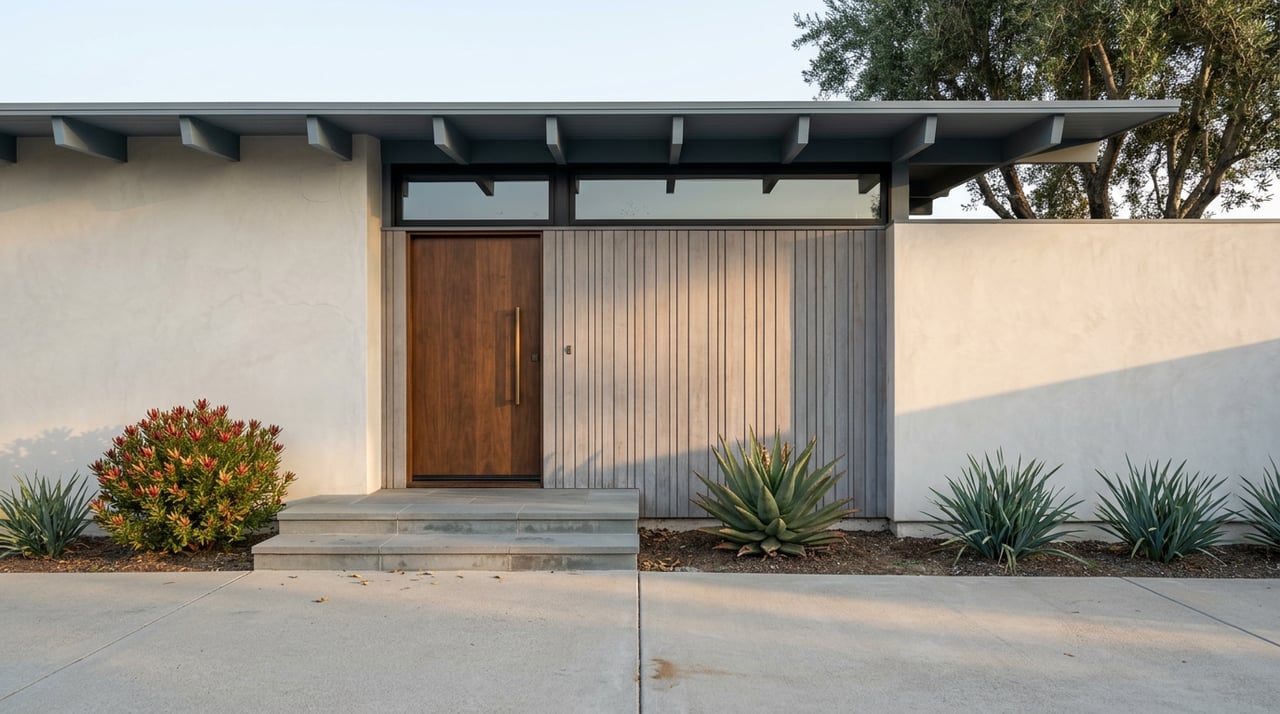
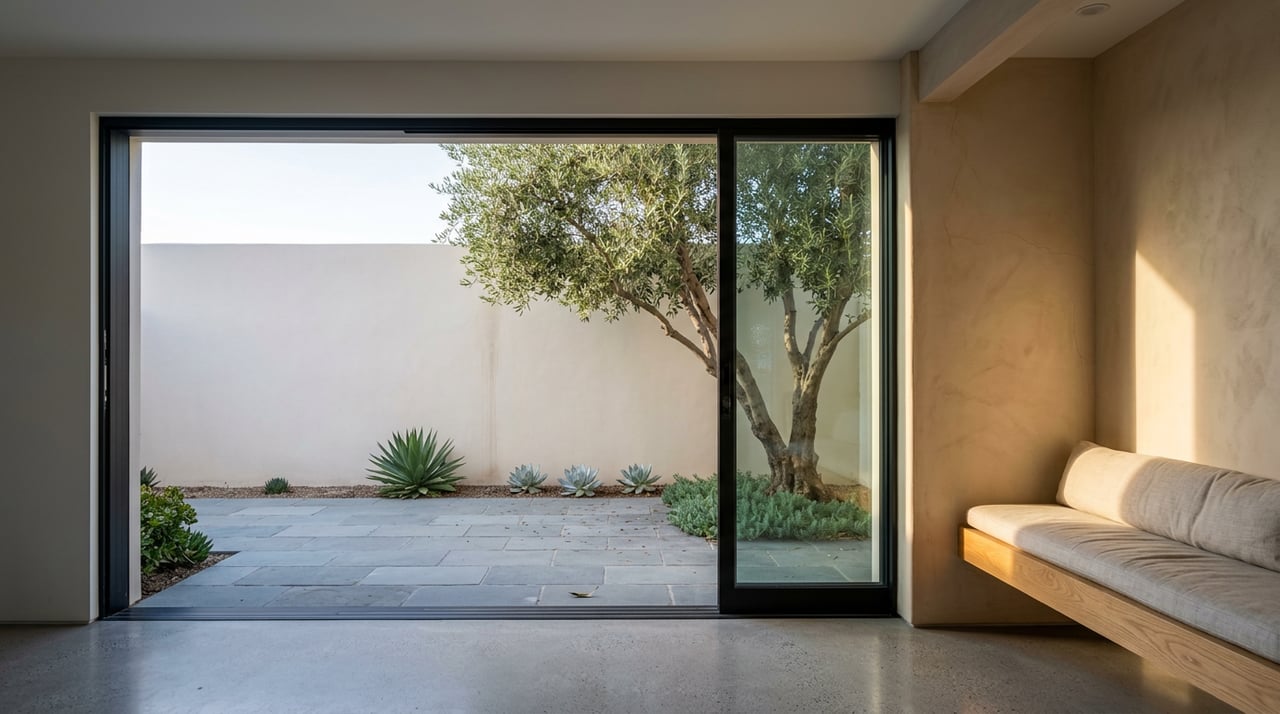
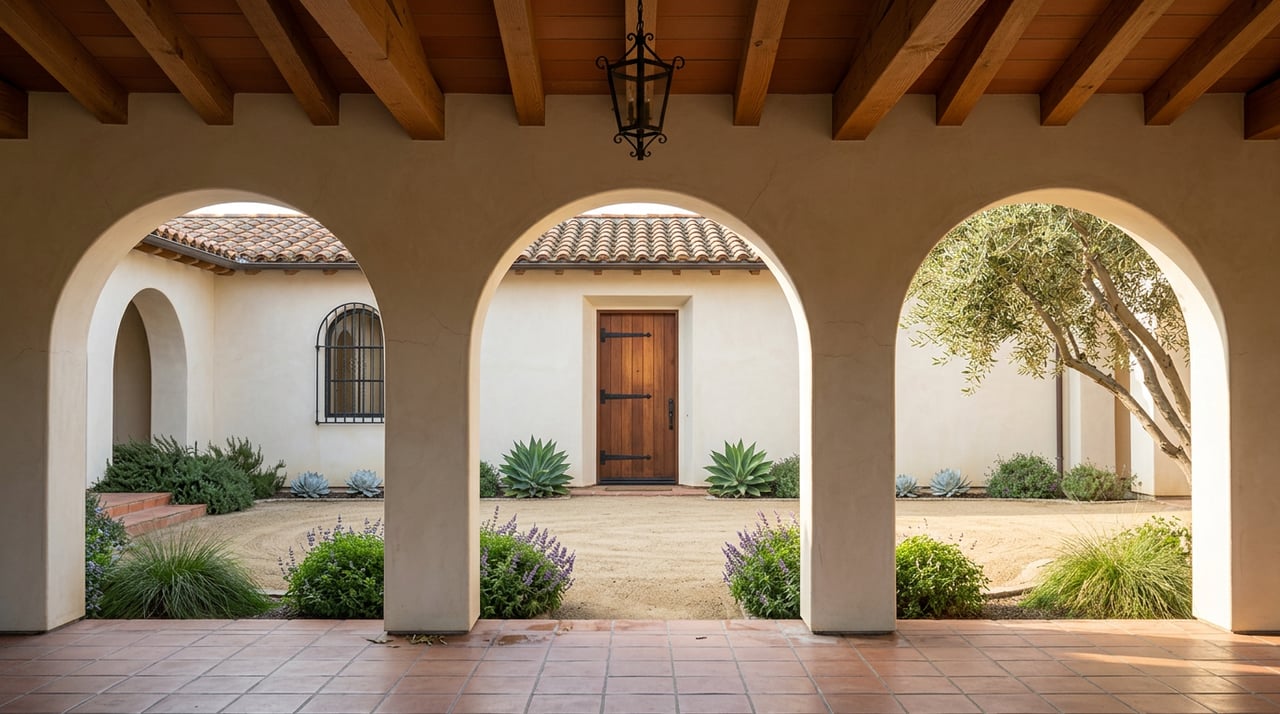
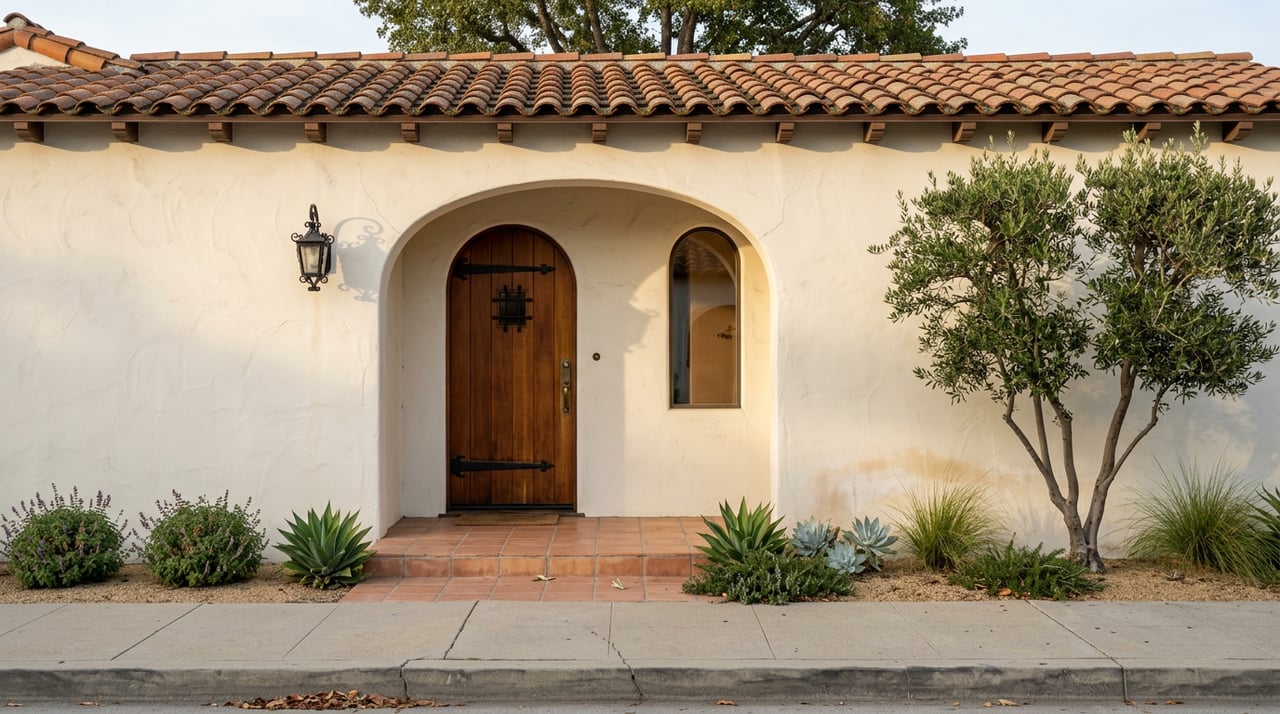
Luxury estate marketing works best when it tells a complete story. In Rancho Santa Fe, that story often includes land, privacy, trail access, open space, the Covenant, and architectural character in addition to the residence itself.
Your marketing should reflect what makes the property compelling without overwhelming buyers with noise. Professional photography, video, and polished digital presentation can help buyers understand the setting, scale, and design before they ever visit in person.
National Association of Realtors data reported that buyers’ agents said the most important listing items were photos, physical staging, videos, and virtual tours. The same staging report found that 29% of agents said staging increased dollar value offered by 1% to 10%, and 49% said it reduced time on market.
For an estate property, presentation is not just cosmetic. It helps buyers connect the lifestyle, the land, and the home into one clear value proposition.
Negotiation strategy matters as much as exposure
Selling an estate home usually involves more than listing it beautifully and waiting for offers. The process often includes detailed buyer questions, requests for records, disclosure review, and careful negotiation around inspections and timelines.
National Association of Realtors reporting found that sellers most often use agents because they want help marketing to a wider pool of buyers, pricing competitively, and selling within a specific time frame. Buyers also want help understanding the market and negotiating effectively.
That is particularly true in a market like Rancho Santa Fe, where estate properties are rarely interchangeable. The right strategy combines pricing, preparation, presentation, and strong deal management from start to finish.
A practical pre-listing checklist
Before you list your Rancho Santa Fe estate home, it helps to organize the basics:
- Gather permit history and records for additions, exterior changes, grading, pools, guest houses, barns, or other improvements
- Confirm whether the property has a well, septic, or onsite wastewater system and collect related county records if available
- Prepare required California disclosures early, including the TDS and Natural Hazard Disclosure
- Review whether the home was built before 1978 and, if so, organize any lead-based paint records
- Confirm trust or estate authority documents if the property is not held in an individual name
- Build a marketing plan that fits the property’s privacy needs and lifestyle appeal
A clean pre-listing process can lead to a more confident launch, fewer surprises, and stronger buyer trust.
Selling an estate home in Rancho Santa Fe is a detailed process, but it does not have to feel overwhelming. When you combine thoughtful preparation, legally informed guidance, elevated presentation, and a strategy tailored to the property, you put yourself in a much stronger position to move forward with clarity.
If you are considering a sale and want a discreet, detail-driven plan built around your property, Jennifer Allen can help you navigate each step with care.
FAQs
What makes selling an estate home in Rancho Santa Fe different?
- Buyers often evaluate the land, privacy, trail access, architectural character, and Covenant-related considerations along with the home itself, so preparation usually goes beyond standard listing steps.
What disclosures are required when selling a single-family home in California?
- California generally requires a Transfer Disclosure Statement for single-family residential property, and Natural Hazard Disclosure may also be required if the property is in certain mapped hazard zones.
Why should Rancho Santa Fe sellers gather permit records before listing?
- Permit history and approval records can help answer buyer questions about additions, exterior changes, grading, pools, guest houses, and other improvements before they slow down a transaction.
What should sellers verify for Rancho Santa Fe properties with wells or septic systems?
- You should confirm whether the property relies on a water well or onsite wastewater treatment system and gather any available county permits, inspections, or design records early in the process.
How does a trust affect the sale of a Rancho Santa Fe estate home?
- If the home is held in trust, the transaction may require review of trustee authority, signature requirements, and supporting documents such as a certification of trust before the listing can move smoothly.
Why is privacy-focused marketing important for Rancho Santa Fe estate properties?
- Because the market is known for privacy and discretion, a controlled showing plan and thoughtful digital presentation can help protect your interests while still reaching qualified buyers.