If your idea of home includes morning surf, sunset walks, easy access to restaurants, and a neighborhood that rarely feels sleepy, Pacific Beach probably deserves a closer look. At the same time, coastal living here comes with real tradeoffs, especially around traffic, parking, and seasonal crowds. If you are trying to decide whether Pacific Beach fits the way you actually want to live, this guide will help you weigh the lifestyle, housing mix, and neighborhood feel with more clarity. Let’s dive in.
What Pacific Beach Feels Like
Pacific Beach is one of San Diego’s most active coastal communities, and that shapes almost everything about daily life here. The neighborhood sits between Interstate 5, the ocean, Mission Beach and Mission Bay, and La Jolla, giving you access to both shoreline recreation and central San Diego connections.
It is also more mixed than many people expect. The City of San Diego describes Pacific Beach as eclectic and diverse, with appeal for professionals, families, young adults, students, surfers, and retirees. In other words, this is not just a college beach area. It is a large, lived-in coastal neighborhood with a strong visitor economy and a broad range of residents.
Pacific Beach is also fairly dense by local standards. City planning data points to more than 22,000 homes and an average household size of about 2.01 people, which supports the feel of a busy, small-household coastal community rather than a quiet suburban enclave.
Coastal Lifestyle in Pacific Beach
Beach Access Is a Daily Amenity
For many buyers, the biggest draw is simple: the beach is part of everyday life. Pacific Beach has more than two miles of shoreline, and the city identifies it as one of the busiest beach areas in San Diego. You have access to swimming, surfing, volleyball, showers, restrooms, fishing, public transportation, and permanent lifeguard stations.
The Mission Beach-Pacific Beach boardwalk adds another layer to the lifestyle. This concrete walkway stretches about 3.5 miles from North Pacific Beach to South Mission Beach, creating an easy route for walking, biking, skating, or simply being outside. Ocean Boulevard also functions much like a linear park, which adds to the neighborhood’s active, social feel.
Mission Bay Expands Your Outdoor Options
Living in Pacific Beach is not only about the oceanfront. You are also close to Mission Bay Park, which spans more than 4,600 acres and includes 27 miles of shoreline, 19 sandy beaches, and nearly 14 miles of bike paths.
That means your routine can include bay-side walks, bike rides, paddling, playground stops, or time at the park without needing a long drive. If your ideal lifestyle includes frequent outdoor time, Pacific Beach offers more variety than many beach neighborhoods.
North Pacific Beach Has a Different Rhythm
Not every part of Pacific Beach feels the same. North Pacific Beach, which runs about a mile north of Crystal Pier to Pacific Beach Point, tends to feel more surf-oriented and less commercial than the central core.
The area includes cliffs up to 75 feet high, a boardwalk along much of the south end, and Tourmaline Surfing Park at the north end. If you want coastal access with a little more separation from the busiest dining and nightlife zone, this part of Pacific Beach may be especially appealing.
Social Scene and Daily Energy
Garnet Avenue Anchors the Action
If you want a neighborhood with built-in activity, Pacific Beach delivers. Restaurants, pubs, and shops are concentrated around Garnet Avenue, with Mission Boulevard and Cass Street also serving as key pedestrian-friendly commercial streets.
This concentration is helpful because it creates clear zones of energy. You can enjoy easy access to dining and shopping, but you should also understand that the commercial core is where you are most likely to feel the neighborhood’s livelier pace.
Nightlife Is Part of the Identity
Pacific Beach has long been known for social energy, and that reputation is rooted in real land use patterns. The city’s community plan identifies active commercial districts and also notes that some uses in areas like Turquoise and Cass are regulated with operating limits and permit requirements.
That tells you something important as a buyer. Nightlife is part of the Pacific Beach experience, but it exists within a neighborhood that also includes established residential areas nearby.
Housing in Pacific Beach
Expect a Condo-Heavy Market
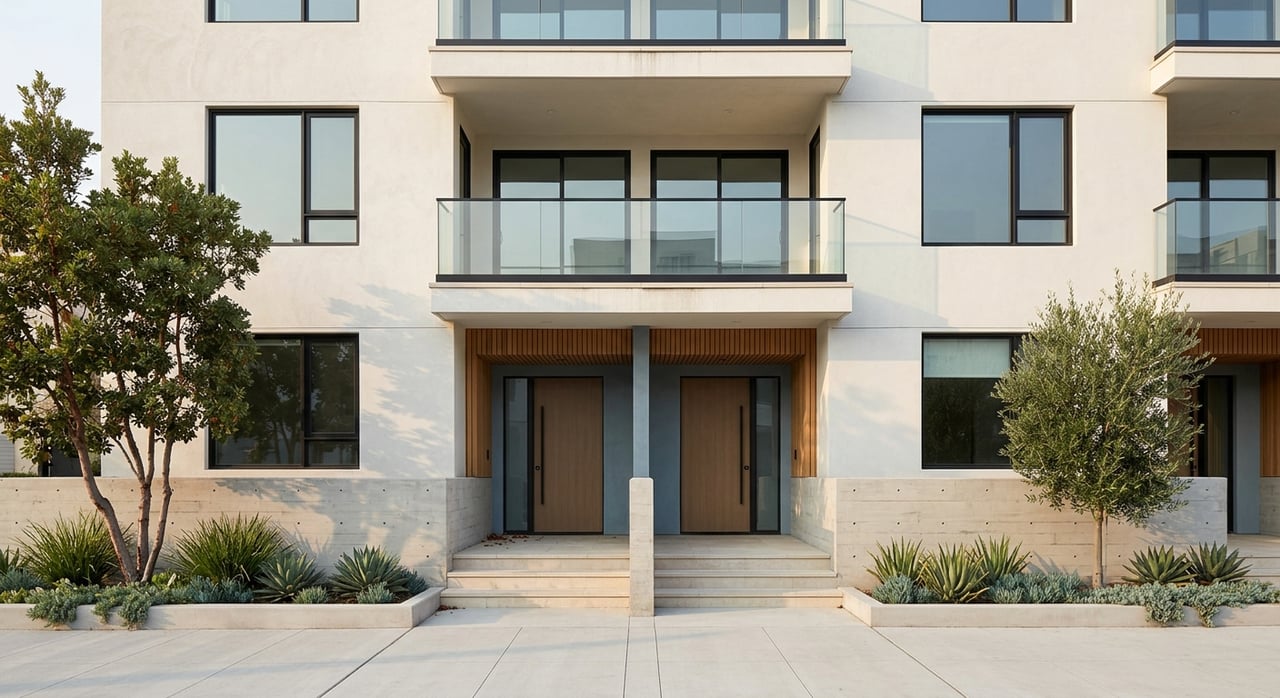
Pacific Beach offers a mix of housing types, but multifamily housing is the dominant form. A 2023 city planning report cited 22,382 total homes, including 13,763 multifamily units, 4,419 single-family detached homes, and 4,200 single-family attached homes.
For you as a buyer, that often translates into more condo and townhome options than detached homes. If you are searching for a lock-and-leave coastal property, that can be a plus. If you want a detached home, you should expect a smaller pool of options.
Detached Homes Exist, but Supply Is Limited
Pacific Beach was largely built out after 1930, and the community plan notes that few vacant parcels remain for residential development. That matters because the market is shaped more by turnover and infill than by large waves of new housing supply.
In practical terms, desirable properties can feel competitive because inventory is constrained. This is especially true if you are targeting a detached home in a more residential pocket of the neighborhood.
Pacific Beach Sub-Areas to Know
Beach and Commercial Core
The areas around Garnet Avenue, Mission Boulevard, and Cass Street are the liveliest parts of Pacific Beach. This is where pedestrian activity, dining, nightlife, and visitor traffic tend to be strongest.
If you want to be close to restaurants, the boardwalk, and the most active social scene, this area may fit your lifestyle well. If you are sensitive to noise, parking pressure, or late-night activity, you may want to look beyond the core.
North Pacific Beach and Tourmaline
North Pacific Beach offers a different feel. It is more surf-centric, less commercial, and shaped by cliffs, ocean views, and access to Tourmaline Surfing Park.
For many buyers, this area feels a little more relaxed while still offering strong coastal character. It can be a compelling fit if you want the beach lifestyle without being in the middle of the busiest part of PB.
Hills and Northeast Plains
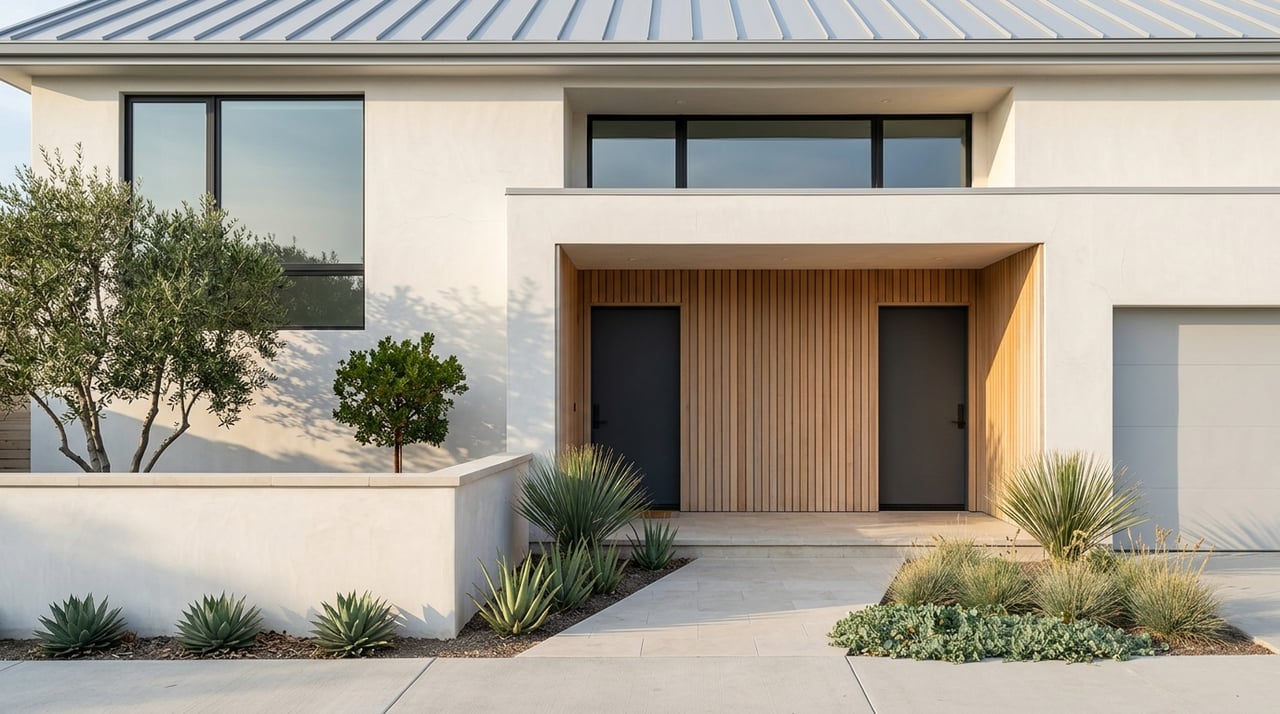
The community plan describes the hills area as having detached single-family homes on larger lots, while the northeastern plains include more conventional single-family detached neighborhoods. These areas generally read as more residential in character.
If your priority is a more traditional home setting within Pacific Beach, these pockets are worth exploring. You may give up some immediate walkability to the beachfront core, but you can gain a quieter day-to-day environment.
Bay-Side Areas Like Crown Point
Bay-side pockets such as Crown Point tend to feel more park-oriented and residential. The community plan identifies Crown Point and Braemar as neighborhoods that connect to parks, the library, schools, and commercial areas.
Because these areas also benefit from access to Mission Bay amenities, they can offer a nice balance of outdoor living and a more residential atmosphere. For some buyers, that combination is the sweet spot.
The Tradeoffs You Should Consider
Traffic and Parking Are Real Factors
Pacific Beach offers lifestyle convenience, but it is not friction-free. The community plan notes that traffic congestion worsens during holidays and summer months, and that beach and bay traffic can affect the overall community feel.
Parking is also a known challenge in some areas, especially during summer and on weekend evenings. If you move here, it helps to go in with realistic expectations about mobility and seasonal crowd levels.
Car Use Still Matters
Pacific Beach has bus service, including MTS Routes 8, 9, and 27, and some destinations are easy to reach on foot or by bike. Still, the community plan makes clear that residents and visitors rely heavily on private automobiles.
That means your day-to-day experience will depend partly on where in Pacific Beach you live and how often you plan to leave the neighborhood. A highly walkable location may reduce car dependence, but it will not erase the broader traffic patterns.
Who Pacific Beach Fits Best
Pacific Beach tends to work well for buyers who want a true coastal lifestyle, frequent outdoor access, and a neighborhood with energy. The city explicitly identifies its appeal across a wide mix of residents, including professionals, families, young adults, students, surfers, and retirees.
In practical terms, Pacific Beach often fits people who value proximity over seclusion. If you like the idea of being close to the beach, boardwalk, restaurants, Mission Bay, and an active social scene, the tradeoffs may feel well worth it.
On the other hand, if you strongly prefer quiet evenings, easy parking, and a low-traffic suburban setting, Pacific Beach may not be the easiest match, especially near the beach strip and commercial corridors. The right fit usually comes down to whether you are energized by activity or drained by it.
How to Decide If Pacific Beach Is Right for You
A good decision starts with how you want your week to feel, not just how you want your home to look. Ask yourself whether you want daily beach access, an active neighborhood rhythm, and easy outdoor recreation enough to accept seasonal crowds and parking stress.
It also helps to narrow your search by sub-area rather than treating Pacific Beach as one uniform neighborhood. The commercial core, North Pacific Beach, the hills, the northeast plains, and bay-side pockets like Crown Point can deliver very different living experiences.
If you are weighing Pacific Beach against other coastal San Diego neighborhoods, a neighborhood-by-neighborhood strategy matters. The right home is not just about price point or square footage. It is about matching your lifestyle to the part of the coast that truly fits you.
If you are considering a move to Pacific Beach or comparing it with other coastal San Diego neighborhoods, working with an agent who understands the nuances of each micro-market can make the process far more efficient. For a high-touch, informed conversation about your goals, connect with Jennifer Allen.
FAQs
Is Pacific Beach in San Diego good for full-time living?
- Yes. Pacific Beach is a mostly residential coastal community with a mix of residents, including professionals, families, young adults, students, surfers, and retirees.
What is the lifestyle like in Pacific Beach, San Diego?
- Pacific Beach offers a highly active coastal lifestyle with beach access, a long boardwalk, Mission Bay recreation, dining, and a lively social scene.
Are there different areas within Pacific Beach, San Diego?
- Yes. Key areas include the beach and commercial core, North Pacific Beach and Tourmaline, the hills and northeast plains, and bay-side areas such as Crown Point.
Is Pacific Beach, San Diego quiet or busy?
- Pacific Beach is generally a busy, active neighborhood, especially near the beachfront and commercial corridors. Some residential pockets feel calmer than the central core.
What kind of homes are common in Pacific Beach, San Diego?
- Multifamily housing is the dominant type in Pacific Beach, so condos and attached homes are common, though detached homes are also part of the market.
What are the biggest drawbacks of living in Pacific Beach, San Diego?
- The main tradeoffs are traffic congestion, seasonal crowds, and limited parking in some areas, particularly during summer and on weekend evenings.