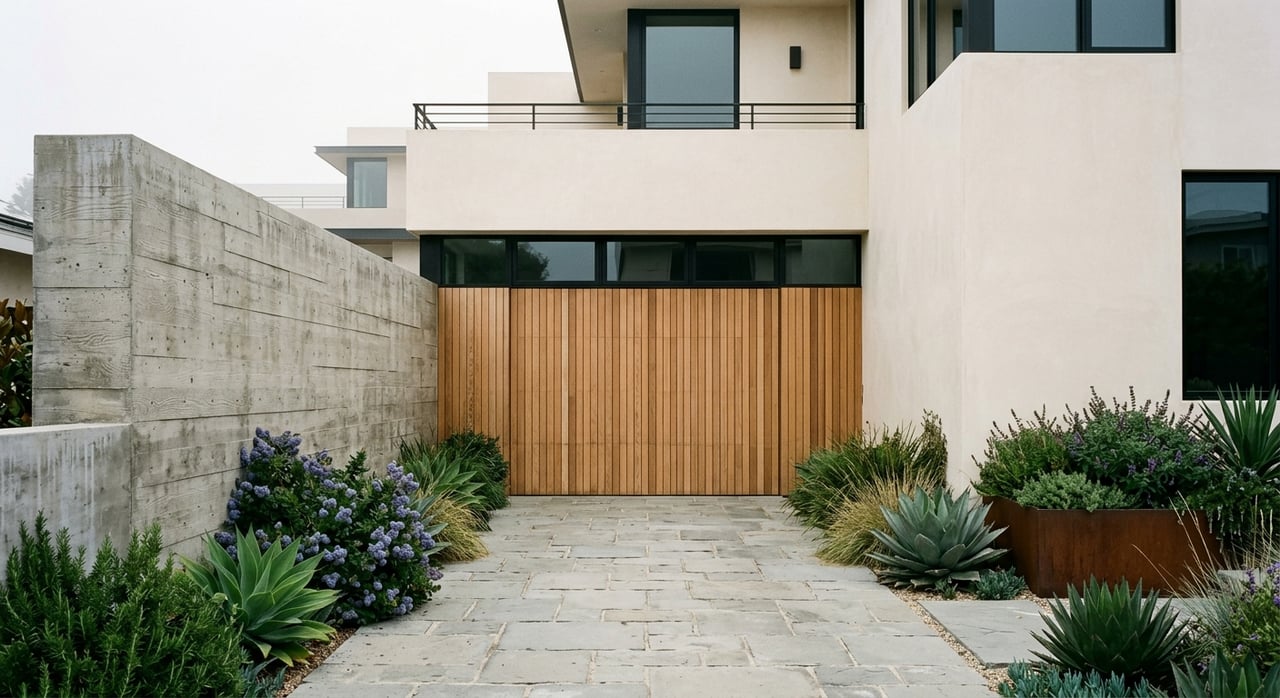

Selling a luxury home in La Jolla is rarely as simple as listing it and waiting for the right buyer to appear. In a coastal market where inventory is limited, buyers are discerning, and negotiation is still part of the process, the way you prepare your home can shape both your final price and your experience in escrow. If you want to sell with confidence, this guide will walk you through the key steps that matter most before your listing goes live. Let’s dive in.
Understand the La Jolla market first
La Jolla is a unique place to sell because it is largely built out. According to the City of San Diego’s La Jolla community planning information, the area is about 99% built out, which means most change comes through infill rather than major expansion.
That limited supply helps support long-term value, but it does not guarantee an easy sale. Buyers in the luxury segment still compare condition, presentation, lot characteristics, and pricing very closely, especially in a market with ocean bluffs, hillsides, canyons, and other site-specific considerations.
Recent data also suggests a premium market with room for negotiation. Zillow’s La Jolla home value data shows an average home value of $2,374,683 as of February 28, 2026, while Realtor.com’s La Jolla market overview reports a median listing price of $2,799,500, a 98% sale-to-list ratio, and a median of 44 days on market.
Focus on micro-market pricing
In luxury real estate, broad averages only tell part of the story. Your pricing strategy should be based on highly relevant comparable sales, current competition, and the specific qualities of your home, such as view orientation, lot position, outdoor living areas, recent updates, and permit history.
The local numbers point to a market where buyers still expect some negotiating room. Realtor.com reports homes selling about 1.97% below asking on average, and Zillow reports a median sale-to-list ratio of 0.979, which reinforces the need for pricing precision rather than optimism.
Why overpricing can slow momentum
Luxury buyers tend to be well-informed and patient. If your home enters the market above what current comps and presentation support, you may lose early attention from the most motivated buyers.
That matters because fresh listings often receive the strongest interest. When a home sits too long, buyers may begin to question pricing, condition, or hidden issues, even when the property itself is exceptional.
Prepare disclosures early
One of the smartest moves you can make before listing is to assemble your disclosure package as early as possible. In California, the seller generally must provide the Real Estate Transfer Disclosure Statement for most one-to-four unit residential sales, and state law makes timing important.
If required disclosures or material amendments are delivered after an offer is already signed, the buyer gets a short window to cancel. That can reopen uncertainty during escrow, which is why early disclosure prep is not just a compliance issue. It is also a negotiation and risk-management advantage.
What early disclosure prep can help uncover
Before launch, it is wise to identify any issue that could affect value, desirability, or buyer confidence. This may include:
- Past additions or remodels
- Decks, pools, patios, or retaining walls
- Drainage or grading changes
- HOA documents for condos or townhomes
- Natural hazard and fire zone considerations
Getting organized early gives you more control over the story of your property. It also helps reduce surprises once serious buyers begin their due diligence.
Review permit and property history
In La Jolla, pre-list review often goes beyond surface-level repairs. Because of the area’s topography, the City of San Diego’s grading permit guidance notes that property owners should consider whether a site involves environmentally sensitive lands, steep hillsides, coastal bluffs, coastal beaches, or special flood hazard areas before work such as grading, patios, decks, fences, or vegetation removal.
For sellers, that means permit history can become a meaningful part of the transaction. If your home has had major exterior work, retaining walls, hardscape, drainage changes, additions, or pool improvements, it is worth reviewing records before listing so you can address questions proactively.
Why this matters in negotiations
Luxury buyers often take a closer look at site improvements and structural features, especially on coastal or hillside lots. If permit questions surface late, they can become negotiation points that affect price, timelines, or buyer confidence.
A legally informed, detail-oriented listing process can help you identify these issues before they turn into escrow friction. That kind of preparation often leads to a cleaner transaction.
Address natural hazard disclosures
Natural hazard disclosures deserve special attention in La Jolla. Under California’s Natural Hazard Disclosure requirements, disclosures may cover flood zones, dam inundation areas, fire hazard severity zones, wildland fire areas, earthquake fault zones, and seismic hazard zones.
These disclosures do not automatically mean a property is unsafe or uninsurable, but they can affect buyer decision-making, future development plans, insurance availability, or post-disaster assistance. Clear, timely disclosure helps buyers evaluate the property with fewer surprises.
Fire zone preparation matters too
The City of San Diego updated its fire hazard severity zone map in 2025, and the city’s defensible space guidance for property owners outlines a 0-to-100-foot fuel-modification area around homes in higher-risk areas. The city identifies Zone 0 as the first 5 feet from the structure, Zone 1 as 5 to 30 feet, and Zone 2 as 30 to 100 feet.
For sellers, this creates both a compliance and presentation opportunity. Removing dead vegetation, clearing roofs and gutters, reducing flammable materials near the home, and using hardscape near the structure can improve how your property shows while also addressing practical buyer concerns.
Complete a pre-list inspection strategy
In a luxury sale, buyers often expect a property to feel turnkey, well-maintained, and thoughtfully represented. That does not mean every home must be fully renovated before listing, but it does mean deferred maintenance should be evaluated carefully.
A pre-list inspection strategy can help you decide what to repair, what to disclose, and what to price around. When you know your home’s likely red flags in advance, you can make better decisions about timing, budget, and negotiation strategy.
Repairs worth prioritizing
The right repair list depends on the home, but sellers often benefit from focusing on issues that affect first impressions and buyer confidence, such as:
- Visible maintenance concerns
- Roof or gutter cleanup
- Exterior paint touch-ups
- Drainage concerns
- Lighting and hardware updates
- Landscape cleanup and pruning
- Deck and outdoor living presentation
The goal is not perfection. The goal is to remove distractions that could pull attention away from the property’s strongest features.
Stage for lifestyle and scale
In La Jolla’s luxury segment, presentation is part of the pricing strategy. Buyers are not only evaluating square footage and finishes. They are also responding to lifestyle, flow, and how clearly the home communicates its value.
The National Association of Realtors’ 2025 Profile of Home Staging found that 29% of agents said staging a seller’s home increased the dollar value offered by 1% to 10%, and 49% said staging reduced time on market. The same report notes that buyers’ agents ranked the living room, primary bedroom, and kitchen among the most important rooms to stage.
Luxury staging priorities
For a high-value La Jolla home, staging should feel intentional and restrained. Focus on:
- Decluttering to emphasize scale and light
- Deep cleaning every visible surface
- Refining the living room, primary bedroom, and kitchen
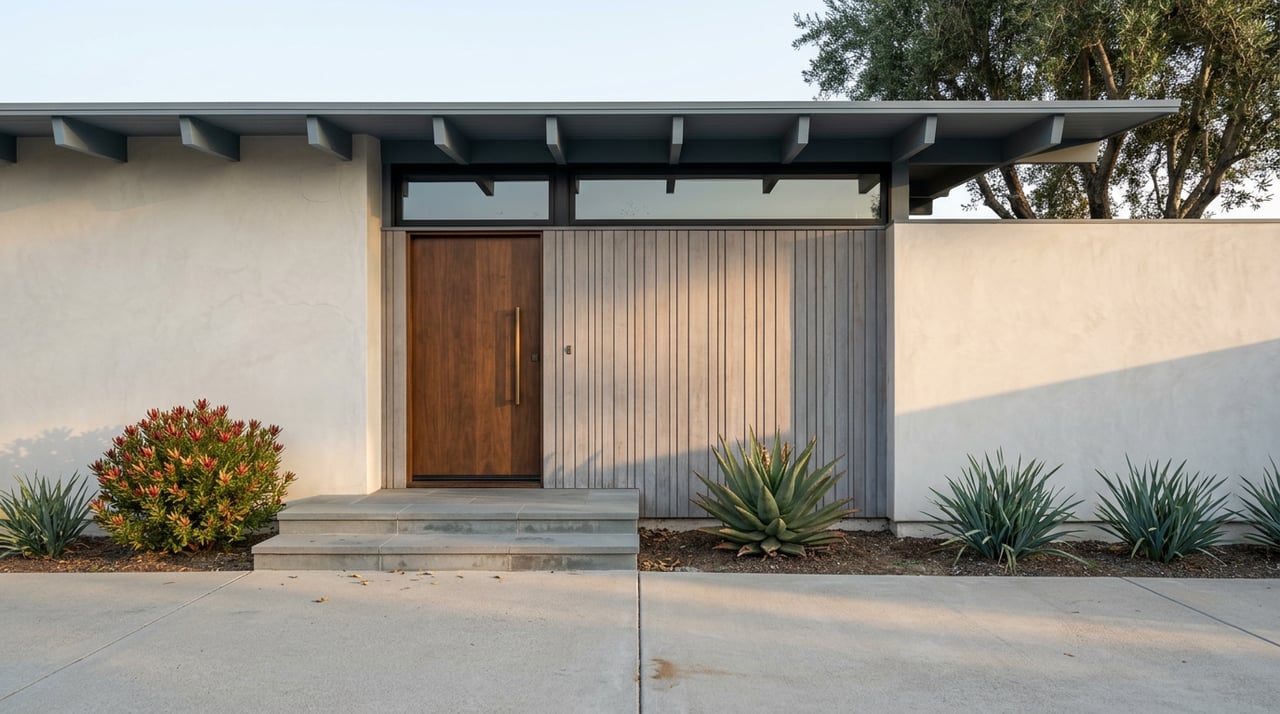
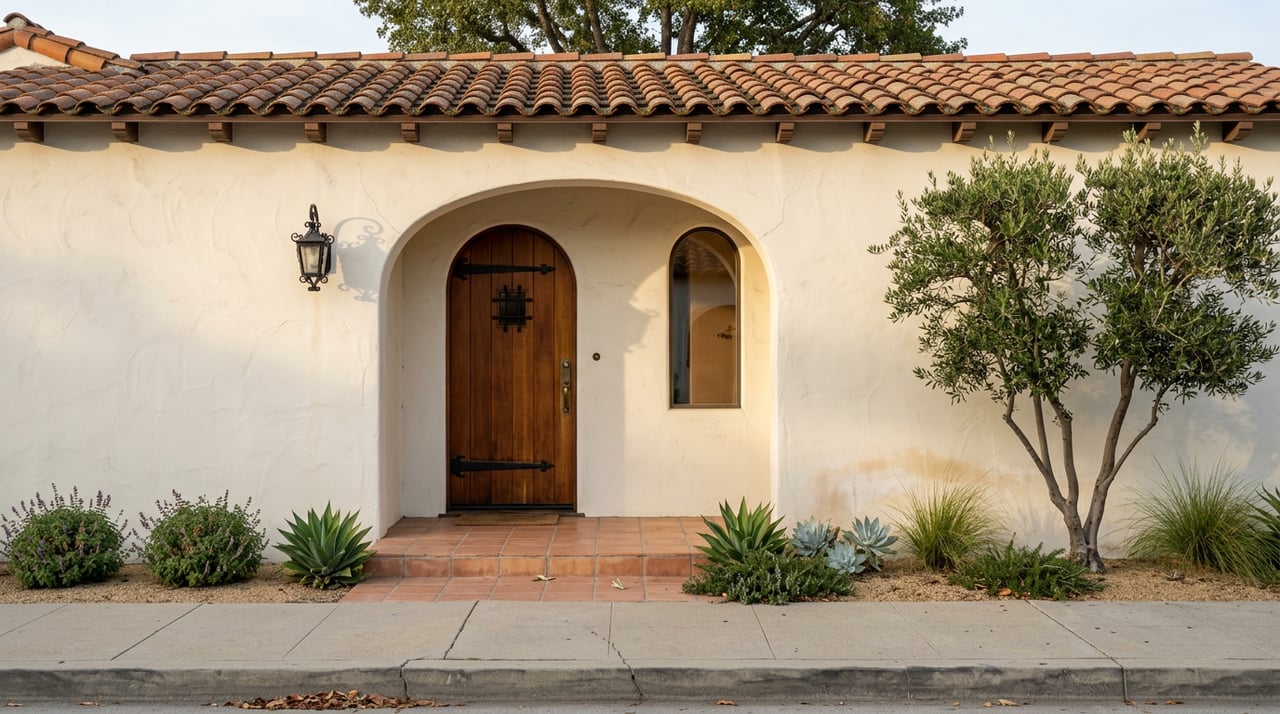
- Enhancing curb appeal and entry sequence
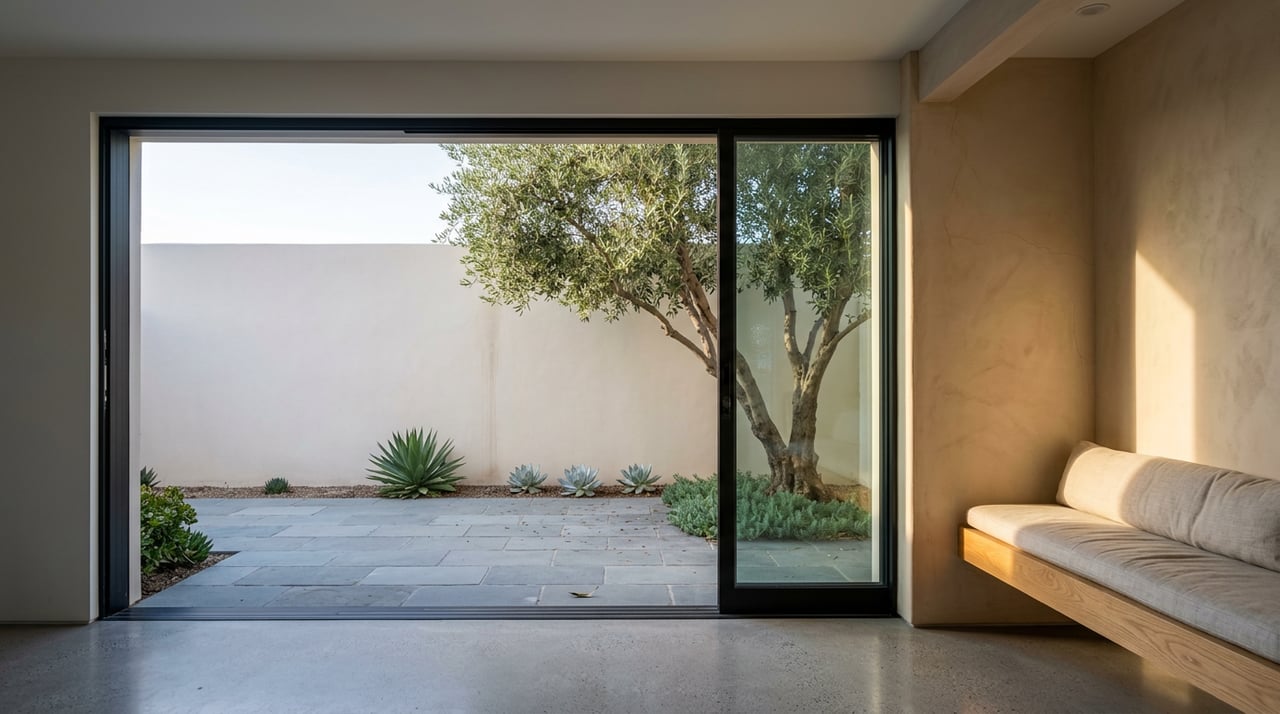
- Highlighting indoor-outdoor flow
- Supporting photo, video, and tour readiness
The best luxury presentation feels calm, polished, and easy to imagine living in. It should help buyers focus on views, architecture, and lifestyle rather than personal items or unfinished details.
Plan your marketing exposure
Not every luxury home should follow the exact same launch plan. The California Department of Real Estate notes in its reference materials that broker compensation is negotiable and that sellers may instruct a broker to exclude a listing from the MLS if limited exposure or privacy is a priority, as described in the DRE agency and disclosure reference.
That makes your listing strategy an important conversation before you go live. Depending on your goals, you may want broad public exposure, a more private rollout, or a carefully timed plan that aligns with your home’s unique audience.
Questions to answer before launch
Before listing, it helps to clarify:
- Do you want maximum exposure or a more discreet approach?
- Is your home best suited for public MLS marketing or selective outreach?
- Are your disclosures, permits, and documents ready before showings begin?
- Is the home fully prepared for photography, video, and tours?
In luxury real estate, rushed launches can cost you leverage. A thoughtful rollout usually creates a stronger first impression.
Prepare HOA documents if needed
If your property is in a common interest development, document preparation becomes even more important. Under California Civil Code Section 4525, sellers in HOA communities may need to provide governing documents, financial information, assessment details, notices of unresolved violations, and other required materials.
For luxury condos, townhomes, and planned developments in La Jolla, this package can influence both buyer confidence and transaction speed. Unpaid assessments, approved special assessments, unresolved violations, or recent inspection issues can all affect pricing and negotiations.
Build a smoother path to closing
The strongest luxury sales usually start long before the listing goes live. When pricing is grounded in the right micro-market data, disclosures are assembled early, permit questions are addressed, and the property is presented at a high level, you give yourself a better chance at a cleaner escrow and stronger result.
In a market like La Jolla, that kind of preparation is not extra. It is part of the strategy. If you are thinking about selling and want a concierge-level plan built around your home, your timeline, and your priorities, connect with Jennifer Allen for a private consultation.
FAQs
What should luxury sellers in La Jolla do before listing a home?
- Start with pricing analysis, disclosure prep, permit review, property condition assessment, and a plan for staging and marketing.
How important are disclosures when selling a luxury home in La Jolla?
- Disclosures are very important because late delivery can give a buyer a short cancellation window, which may create avoidable uncertainty during escrow.
Why does permit history matter for La Jolla luxury homes?
- Permit history can matter because coastal, hillside, and canyon-adjacent properties may have additions or exterior improvements that buyers review closely during due diligence.
Should you stage a luxury home before selling in La Jolla?
- Staging can help because it supports stronger presentation, highlights lifestyle features, and may reduce time on market according to NAR data.
What HOA documents are needed for a La Jolla condo or townhome sale?
- Sellers may need to provide governing documents, financial information, assessment details, unresolved violation notices, and other resale materials required under California law.