If you have ever wondered why Del Mar keeps such a strong hold on buyers’ attention, the answer is not just the ocean view. It is the rare mix of a compact village, more than two miles of beach, and a small coastal setting that feels carefully shaped rather than overbuilt. If you are considering Del Mar, understanding what makes it so sought after can help you see why demand stays strong here. Let’s dive in.
Del Mar Feels Rare by Design
Del Mar is small in a way that matters. The city says it sits about 20 miles north of San Diego and includes roughly 2.2 square miles, while the 2020 Census counted 3,954 residents and 1.7 square miles of land area. That limited footprint helps create a sense of scarcity that many coastal buyers notice right away.
The city also describes Del Mar as primarily made up of single-family residential neighborhoods, with retail and restaurants concentrated downtown. That layout gives the community a defined center without making the residential areas feel commercial. For buyers, that often translates into a lifestyle that feels both connected and protected.
Del Mar’s identity also carries a long-established prestige. The city connects its image to Hollywood-era history, pristine beaches, and thoroughbred horseracing. Even today, that mix of coastal beauty and curated character helps explain why Del Mar continues to stand apart in North County.
Del Mar Village Adds Daily Convenience
One of the biggest reasons Del Mar is so coveted is that the village core feels truly usable. The city says you can explore Del Mar Village without a car, with shops, restaurants, and boutique hotels accessible on foot and by bicycle. In a coastal market where walkability is often limited, that is a major part of the appeal.
The village is not just convenient. It also feels intentionally maintained. The Del Mar Village Association describes its role as enhancing downtown vitality while preserving the area’s history and unique character, which helps explain why the district feels polished without losing personality.
You can see that curation in the mix of businesses throughout the village. The shopping and dining areas include independent shops, cafes, galleries, restaurants, and everyday services. That balance helps Del Mar feel like more than a weekend destination. It feels livable.
Key Village Spots Shape the Experience
A few village locations help define the atmosphere people remember. Del Mar Plaza is known as a high-end, dog-friendly shopping plaza with specialty boutiques, gourmet restaurants, and beauty salons. Stratford Square at 15th Street and Camino Del Mar adds a historical gallery, creative shops, restaurants, and sidewalk cafes.
There is also a year-round Saturday farmers market, which gives the village a steady local rhythm. Instead of feeling seasonal only, Del Mar has recurring activity that supports day-to-day life across the calendar.
Events Keep Del Mar Active
Seasonal events help Del Mar feel vibrant beyond the summer beach crowd. The city highlights Summer Solstice, Twilight Summer Concerts, Taste of Del Mar, Santa by the Sea, and the weekly farmers market. The Del Mar Racetrack and San Diego Fairgrounds also add a major layer of seasonal energy.
For homeowners, that event calendar can add to the sense that Del Mar is active and engaging year-round. For buyers looking at lifestyle value, that matters just as much as square footage or finishes.
The Beaches Are Central to Del Mar’s Appeal
In Del Mar, the beach is not an extra. It is central to how the community lives and feels. The city says Del Mar offers more than two miles of sandy beach for relaxing, walking, and running, which gives residents a meaningful connection to the shoreline.
Powerhouse and Seagrove Parks sit above the 15th Street surf break, creating an easy link between the village and the beach. North Beach, also called Dog Beach, stretches north of 29th Street toward Solana Beach. Together, these areas give Del Mar a shoreline that feels varied, accessible, and woven into daily life.
The appeal also goes beyond the sand itself. The city points to coastal bluffs, Crest Canyon, Scripps Bluff Preserve, and the San Dieguito River Lagoon as part of the outdoor setting. That broader landscape supports walking, running, paddling, fishing, diving, and wildlife viewing, which adds depth to the lifestyle people associate with Del Mar.
Dog-Friendly Beach Culture Stands Out
Del Mar’s beach culture has its own personality, and the dog rules are part of that. The city allows off-leash access in defined areas during the non-summer season, while summer rules are more limited near Powerhouse Park and much of the main beach corridor. Leashed dogs are still allowed on adjacent walkways and sidewalks.
That seasonal shift helps explain why the beach can feel different at different times of year. In fall and winter, North Beach can offer a more casual, local feel. In summer, the main beach areas often feel more structured and visitor-oriented.
Del Mar Neighborhood Pockets Feel Distinct
Another reason Del Mar stays so coveted is that it offers different living experiences within a very small area. The city’s layout and topography create residential pockets that can feel noticeably different from one block to the next. That variety gives buyers options without leaving the community.
Village-Adjacent Streets Offer Close Connection
Some homes sit very close to the village core, reinforcing how walkable Del Mar can be. The city’s parking map shows free, no-limit parking on Luneta, one block east of Camino Del Mar between 11th and 15th Streets, as well as on Stratford Court and Ocean Avenue west of Camino Del Mar. That pattern reflects how tightly homes, downtown streets, and beach access are connected.
If you value being able to move easily between home, coffee, dinner, and the shoreline, this part of Del Mar often stands out. The appeal here is less about separation and more about immediate access.
North Beach Has a Different Feel
The city’s design guidance identifies North Beach, also called Beach Colony, as closer to the ocean, flatter, more constrained, and built on smaller lots than the hills. The parking map also shows the beach-access pattern around Camino Del Mar and Coast Boulevard between 17th and 29th Streets.
That gives this area a distinct character. Compared with the hills, North Beach often feels more directly tied to the shoreline fabric and the movement of beach activity.
Hills and Bluff Areas Feel More Secluded
The design guidelines contrast North Beach with the hill and bluff-top areas, where lots are more irregular and shaped by topography. The city’s Design Review Board FAQ also says project review considers bulk, mass, scenic views, privacy, and site-specific conditions.
Those details help explain why hill and bluff areas can feel more secluded and view-oriented. For buyers, that often creates a different kind of value proposition, one centered on setting, elevation, and site individuality.
Del Mar Protects What Buyers Value
A major reason Del Mar retains its prestige is that the city actively works to preserve the character people are drawn to. According to the city, the Design Review process is intended to protect a residential seaside community by encouraging harmonious materials, compatible proportions, and landscaping.
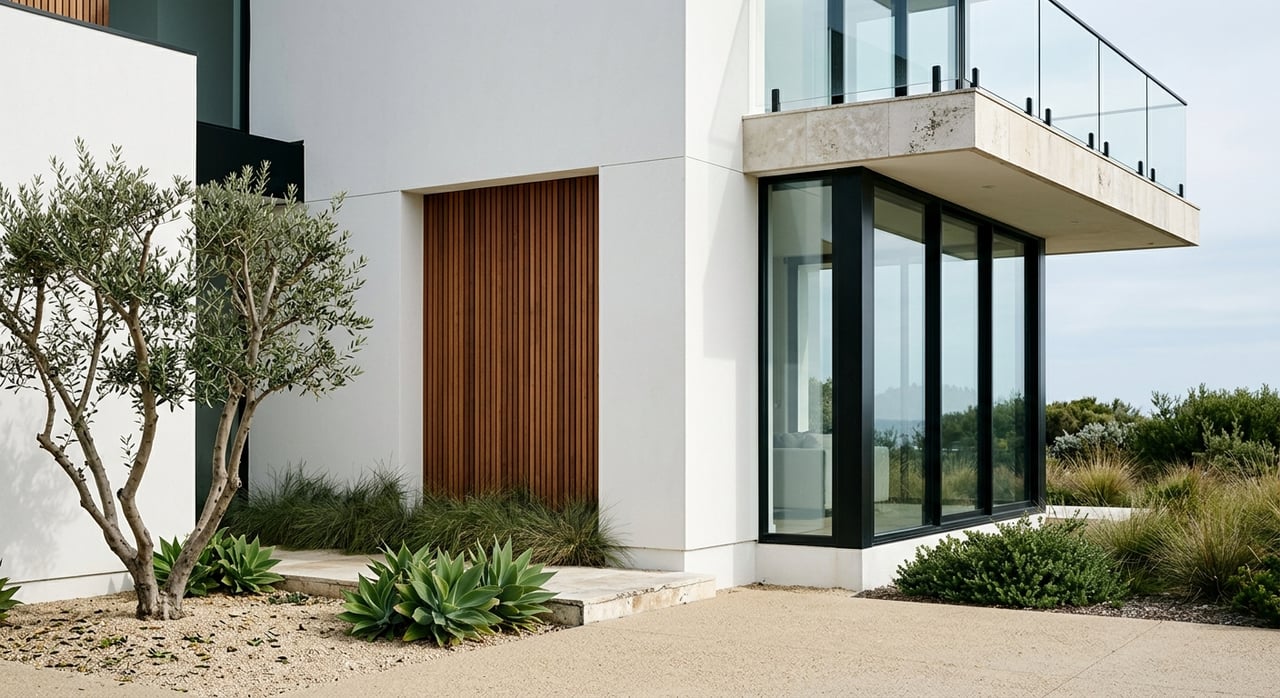
Importantly, the city also says there is no single preferred architectural style. Instead, quality architecture and site-specific design are expected. That helps Del Mar avoid a cookie-cutter feel while still maintaining a high bar for how homes fit into their surroundings.
The design guidelines also emphasize minimizing grading, preserving topography and views, and avoiding uniformity. For homeowners and buyers, that kind of stewardship can make the community feel more enduring over time.
Long-Term Coastal Planning Matters
Del Mar is also planning for sea-level rise. The city says it is actively working to protect beaches, coastal bluffs, environmental resources, and reduce impacts to residents, businesses, and visitors.
That long-term planning matters because it reflects a broader pattern of care. In a small coastal city, thoughtful stewardship can play a major role in preserving both lifestyle and long-term appeal.
Why Del Mar’s Village and Beaches Stay Coveted
When you step back, Del Mar’s appeal comes down to a few powerful factors working together. It is a very small coastal city with a walkable downtown, a strong beach identity, distinct residential pockets, and an active effort to preserve what makes it special.
That combination is hard to replicate. Many communities offer ocean views. Others offer restaurants or walkability. Del Mar stands out because it brings those features together in a compact, curated setting that feels both relaxed and enduring.
If you are weighing a move, a second home, or a long-term investment on the coast, Del Mar rewards a close look. Its value is not just in the scenery. It is in the way the village, beaches, and residential character all work together.
If you are thinking about buying or selling in Del Mar, Jennifer Allen offers refined, high-touch guidance backed by deep coastal market knowledge and a legally informed approach.
FAQs
What makes Del Mar Village different from other coastal downtowns?
- Del Mar Village stands out for its compact, walkable layout, independent shops and restaurants, boutique hotels, year-round farmers market, and a preservation-minded approach to downtown character.
Why are Del Mar beaches such a big part of the lifestyle?
- The city offers more than two miles of sandy beach, along with parks, coastal bluffs, canyon space, and lagoon access that support walking, running, paddling, and everyday outdoor use.
What is North Beach in Del Mar known for?
- North Beach, also called Beach Colony, is known for being closer to the ocean, flatter, more constrained, and built on smaller lots than Del Mar’s hill areas.
How do Del Mar’s hill neighborhoods differ from beach areas?
- Hill and bluff-top areas are shaped by irregular topography and are often more secluded and view-oriented, while beach areas tend to feel flatter and more closely tied to shoreline activity.
Why does Del Mar remain so coveted over time?
- Del Mar’s long-term appeal comes from its small size, walkable village, strong beach identity, distinct residential pockets, design review standards, and ongoing planning for coastal resilience.